Are Automatic Driving Lessons Better for Nervous Learners in Birmingham?
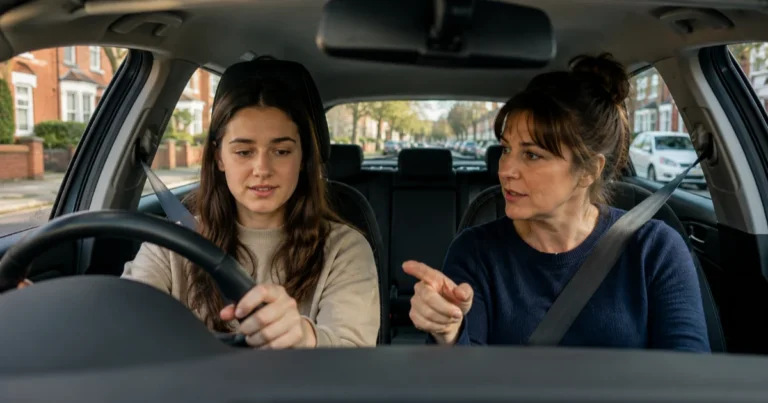
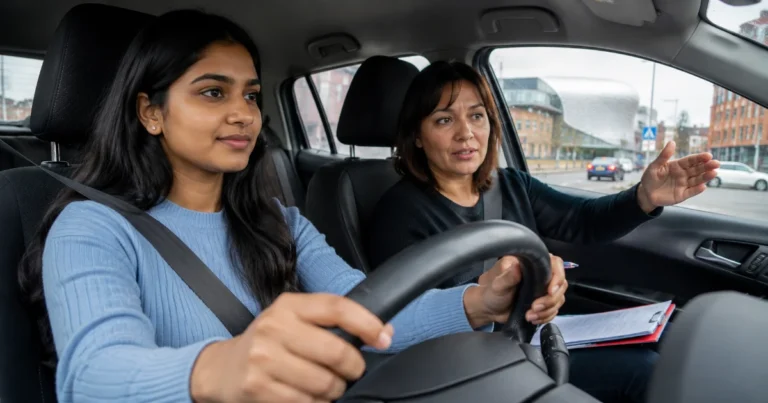
For many people, automatic driving lessons can be a better fit for nervous learners in Birmingham, but not for the simplistic reason many comparison pages suggest. It is not just that automatic cars feel easier. It is that removing clutch control and gear changes can lower the amount a learner has to think about at once, which often helps anxious beginners settle more quickly and focus on steering, observations, positioning and decision-making.
That matters in Birmingham more than it might in quieter areas. Learners here often need to build confidence around busy roundabouts, stop-start traffic, complex junctions and multi-lane roads, all while getting used to being in control of a car for the first time. If a learner is already nervous, adding gears and clutch control on top can be one challenge too many in the early stages. That is one reason our automatic driving lessons in Birmingham are such a popular option for beginners who want a calmer, more manageable way to start.
This does not mean automatic lessons are the right answer for everyone. Some nervous learners still prefer manual because they want the flexibility that comes with a manual licence. Others feel better once they have had a few lessons and realise they can cope with more than they expected. The useful question is not whether automatic is objectively better. It is whether it is better for you, based on how you learn, what makes you tense behind the wheel, and what outcome you want after you pass.
Why Nervous Learners Often Consider Automatic Driving Lessons
Nervous learners rarely struggle with just one thing. The anxiety is usually a combination of factors. Some worry about stalling. Some panic when they meet traffic on a narrow road. Some overthink roundabouts. Others feel pressured by the idea of making a mistake while someone is watching.
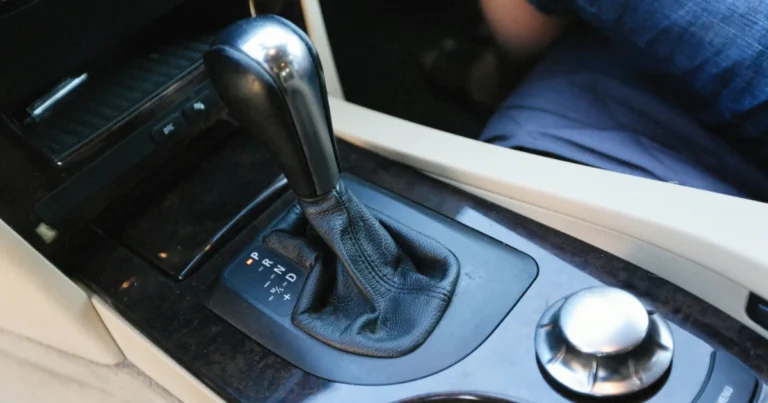
Automatic driving lessons can help because they strip away some of the mechanical workload. Instead of dividing your attention between the road, the mirrors, the clutch, the biting point, gear choice and the timing of every change, you can put more of your energy into the parts of driving that matter most for safety and confidence. That includes reading the road ahead, judging speed, planning at junctions and reacting calmly to what other drivers are doing.
This is where a lot of competitor content tends to be too shallow. It often says automatic is easier, but does not explain why that matters for nervous learners. The real issue is mental overload. If a learner feels overwhelmed, confidence can drop quickly. Removing one source of pressure can make the rest of the lesson feel more achievable.
Book Your First Lesson
Are Automatic Driving Lessons Actually Better for Nervous Learners?
For many nervous learners, yes, they can be. But it depends on the kind of nerves you are dealing with.
If your anxiety is strongly linked to clutch control, stalling, hill starts or changing gears under pressure, automatic lessons can make a real difference. They remove those specific triggers and often help learners settle faster. If your nerves are more general, such as fear of traffic, roundabouts or driving independently, automatic lessons may still help, but they will not remove the need to build experience and confidence over time.
A useful way to think about it is this:
| If your nerves are mainly about… | Automatic lessons may help because… | But you will still need to work on… |
|---|---|---|
| Stalling or clutch control | There is no clutch pedal or gear changing | Smooth control, observations and road awareness |
| Feeling overwhelmed during lessons | There is less to think about at once | Building confidence through repetition and good instruction |
| Busy Birmingham roads | You can focus more quickly on traffic and planning | Junctions, lane discipline, roundabouts and decision-making |
| Making mistakes under pressure | Less mechanical complexity can reduce panic | Staying calm, recovering from small errors and driving independently |
That last point is important. Automatic lessons do not make nerves disappear. They simply make them easier for some learners to manage.
Automatic Driving Lessons in Birmingham and Real Local Conditions
Birmingham is not a place where learners can hide from real-world driving for long. Even if your first few lessons start quietly, progress eventually means dealing with the kind of roads many nervous learners find challenging. That can include:
- busy roundabouts where hesitation quickly builds stress
- multi-lane junctions that require earlier planning
- stop-start traffic that can make a manual learner tense about stalling
- residential streets where meeting traffic and parked cars test control and judgement
- dual carriageways where speed control and lane discipline matter
This is one reason automatic lessons can suit Birmingham learners particularly well. In heavier urban traffic, removing gear changes can make the overall task feel more manageable, especially in the early stages. It allows nervous learners to focus on what is happening around them rather than what their left foot should be doing.
If you are learning locally, our guide to practical driving test centres in Birmingham is also worth reading. It gives a clearer picture of local test-centre areas and the kinds of roads and junctions learners often need to become comfortable with.
What Competitor Pages Often Fail to Explain Properly
There are a few important points that many pages on this topic either miss completely or explain too vaguely.
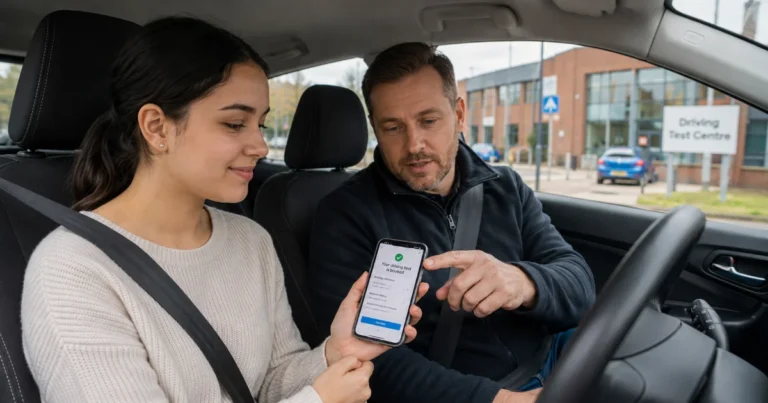
Automatic is not a shortcut to poor driving. Some learners worry that choosing automatic means taking the easy option. That is the wrong way to look at it. You still need good observations, sound judgement, accurate positioning, safe speed control and the ability to drive independently. The test still requires you to drive safely and consistently. If you want an official sense check, the DVSA’s Ready to Pass checklist is worth reading before you book a test.
Automatic does not guarantee a faster pass. Some learners do progress faster because they are not also trying to master clutch control and gears. But there is no official minimum number of lessons, and progress still depends on confidence, consistency, frequency of practice and the quality of instruction. GOV.UK’s guide to taking driving lessons makes that clear.
Your licence outcome matters. If you pass your test in an automatic car, your licence only allows you to drive automatic cars. If you later want to drive a manual car, you would need to take another practical test in a manual. GOV.UK explains the process for upgrading an automatic car driving licence to a manual one, which is worth understanding before you decide.
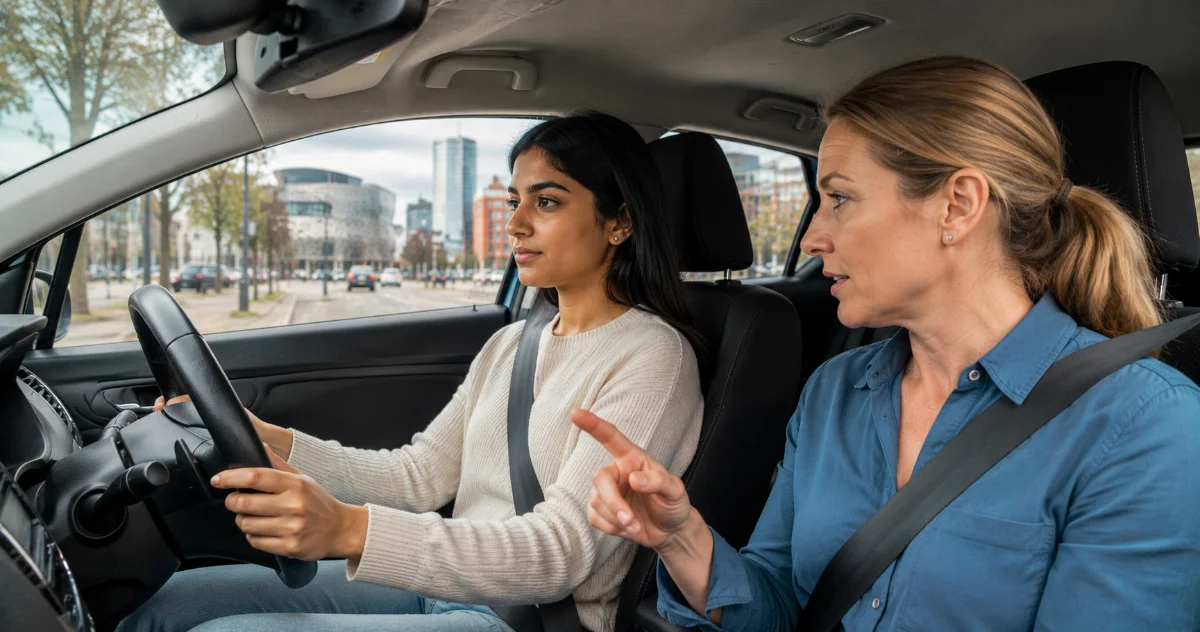
The right instructor still matters just as much. Automatic lessons can reduce pressure, but a poor teaching style can still make a nervous learner feel rushed or overwhelmed. This is where a calm, one-to-one approach really matters. If instructor fit is an important part of your confidence, our female driving instructors in Birmingham page may also be useful.
Signs Automatic Lessons Might Be the Right Choice for You
You do not need to tick every box, but automatic lessons are often worth serious consideration if any of the following sound familiar:
- you feel overloaded by the idea of gears, clutch control and road awareness all at once
- you are a nervous beginner and want the smoothest possible start
- you have tried manual before and found it stressful
- you are returning to lessons after a long gap and want to rebuild confidence
- you want to focus earlier on observations, planning and decision-making
- you are mainly concerned with getting comfortable driving safely in Birmingham, rather than driving a manual car specifically
That does not mean manual is wrong. It simply means automatic may be the more effective route to becoming a safe driver with less unnecessary pressure.
When Manual Might Still Be Better for a Nervous Learner
This is where honest advice matters. Automatic is not always the best answer.
If your nerves are mild and you strongly want the flexibility of a manual licence, it may still make sense to learn in a manual car. Some learners are nervous only in the first few lessons and then settle once the basics start to click. Others like the idea of learning the full range of car control from the start, even if it takes a little longer.
There is also the practical issue of future driving. If you expect to need access to a manual car after passing, or you want the widest choice of vehicles later, manual may still be the better long-term decision.
That is why we do not recommend automatic purely because a learner is nervous. We recommend it when the likely benefits match the learner’s actual obstacles and goals. If you want to compare both routes properly, look at our manual driving lessons in Birmingham alongside our automatic driving lessons in Birmingham.
How a Good Instructor Helps Nervous Learners Progress
The car matters. The transmission matters. But the instructor often matters even more.
Nervous learners tend to make better progress when lessons are calm, clear and well structured. That usually means:
- one-to-one tuition with no unnecessary distractions
- clear explanations before and during each new skill
- lessons paced to stretch confidence without tipping into overwhelm
- practice in a range of Birmingham road conditions, not the same easy route every time
- honest feedback that builds confidence rather than knocking it
If you are comparing schools, GOV.UK’s find driving schools, lessons and instructors tool is a useful starting point for checking DVSA-approved instructors and declared grades where available.
At Result Driving School, the aim is to give learners a supportive, realistic path to confidence. That means helping you improve in the areas that actually hold you back, whether that is roundabouts, observations, independent driving, or simply getting comfortable with the pace of real traffic in Birmingham.
Cost, Lesson Numbers and Other Honest Caveats
Nervous learners often have sensible practical questions, not just emotional ones.
Will automatic lessons cost more? Often, yes. Our current driving lesson prices show automatic lessons from £33 to £35 per hour, while manual lessons are slightly cheaper at £32 to £33 per hour, depending on area and availability.
Will I need fewer lessons in an automatic? Possibly, but not always. GOV.UK says there is no minimum number of lessons, and how many you need depends on how quickly you learn. Some nervous learners progress faster in automatic because the early workload is lower. Others still need time to build confidence in traffic, junctions and independent decision-making.
Should I wait until I feel ready to start? Usually not. Confidence tends to come through properly structured experience, not through waiting for nerves to disappear on their own. If you are unsure where to begin, our contact page is a good place to start the conversation.
Our View: Are Automatic Driving Lessons Better for Nervous Learners in Birmingham?
In many cases, yes. For nervous learners in Birmingham, automatic driving lessons can be a better option because they reduce the amount you need to manage at once and make it easier to focus on the road, build confidence and make steady progress. They are especially useful for beginners who feel overloaded by gears and clutch control, and for learners who want a smoother, less stressful first experience behind the wheel.
But the best choice still depends on your goals. If you want a manual licence and your nerves are manageable, manual may still suit you. If your confidence is being undermined by the mechanical side of driving, automatic is often the more sensible route.
If you want honest advice on which path is likely to suit you best, explore our automatic driving lessons in Birmingham, compare them with our manual lessons, or get in touch and ask about the best option for your experience level.
Book Your First Lesson
Frequently Asked Questions
Are automatic driving lessons better for nervous learners?
For many nervous learners, yes. Automatic lessons remove clutch control and gear changes, which can make the learning experience feel calmer and more manageable. That often helps anxious beginners focus more on observations, steering, positioning and decision-making.
Are automatic driving lessons easier than manual?
Many learners find them easier at the beginning because there is less to think about mechanically. However, you still need to develop safe observations, good judgement, speed control and confidence in real traffic. Automatic is simpler in some ways, but it is not a shortcut around learning to drive properly.
Do nervous learners pass faster in an automatic car?
Some do, but there is no guarantee. Automatic can reduce early stress and help some learners make quicker progress, but passing still depends on consistency, confidence, practice and the quality of instruction.
What licence do I get if I pass in an automatic car?
If you pass your test in an automatic car, your licence only covers automatic cars. If you later want to drive a manual car, you would need to pass another practical test in a manual.
How much are automatic driving lessons in Birmingham?
At Result Driving School, automatic lessons are currently priced from £33 to £35 per hour, depending on area and availability. You can see the latest details on our driving lesson prices page.
Can I start in automatic and switch to manual later?
Yes, you can. Some learners begin in automatic to build confidence first, then decide later whether they want to learn manual. Just remember that passing your practical test in an automatic only qualifies you to drive automatic cars unless you later pass another practical test in a manual.