Is It Easier to Pass in an Automatic Car Than a Manual Car?
If you are comparing automatic driving lessons in Birmingham with manual lessons, you are probably asking a very sensible question: will automatic make learning to drive easier, quicker and less stressful?
For many learners, the honest answer is yes, automatic can feel easier. There is no clutch to control, no gear changes to think about, and fewer chances to stall at traffic lights or junctions. That can be a big relief when you are already trying to manage mirrors, signals, steering, road position, roundabouts, speed limits and other road users.
But easier does not always mean better for everyone. Passing your test in an automatic car gives you an automatic-only licence, which means you cannot legally drive a manual car unless you later pass another practical test in a manual. That matters when you start looking at your first car, sharing a family car, applying for some jobs or comparing second-hand prices.
This guide explains the real pros and cons of learning in an automatic car, especially for learners looking to book driving lessons in Birmingham who want a practical route to passing with confidence.
Is an Automatic Car Actually Easier to Drive?
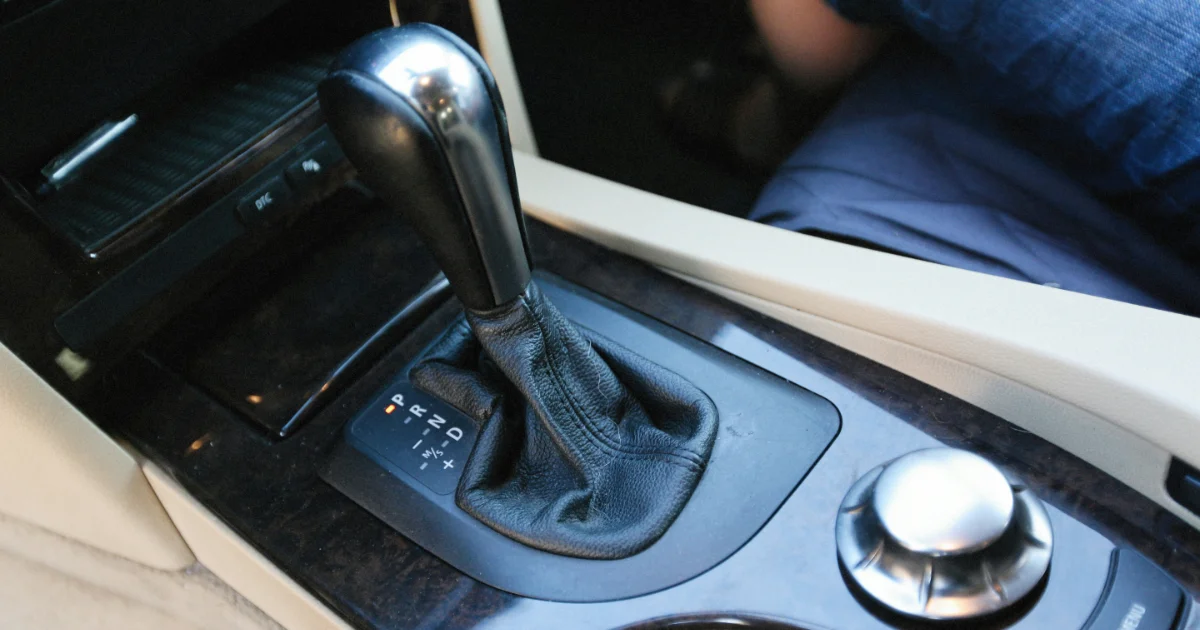
In everyday driving, an automatic car removes one of the hardest early skills for many learners: coordinating the clutch, accelerator and gears. Instead of choosing gears manually, the car does that part for you. You still need to steer accurately, observe properly, judge gaps, control your speed and make safe decisions, but there is less happening with your hands and feet.
That can make a noticeable difference if you are nervous, easily overloaded, returning to lessons after a long break, or struggling with clutch control. It can also help in busy Birmingham traffic, where stop-start driving, roundabouts, traffic lights, bus lanes, cyclists and parked cars can all demand attention at once.
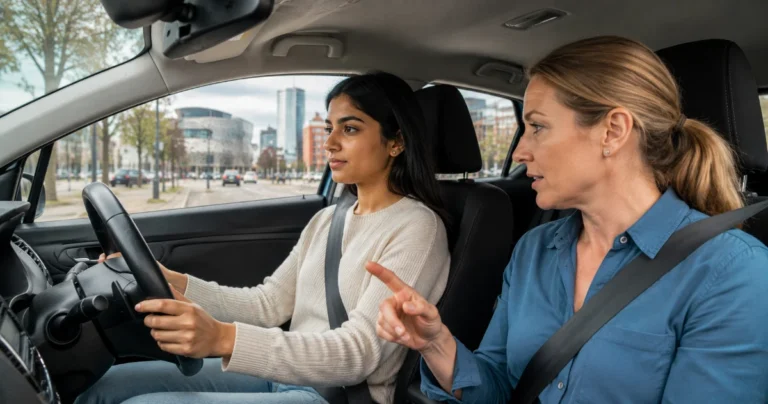
Automatic driving is not a shortcut around learning properly. A good driving instructor in Birmingham will still expect you to develop strong observation, planning, judgement, lane discipline, speed control and independent driving skills. The difference is that you can often focus more mental energy on the road itself rather than the mechanics of keeping the car moving.
Book Your First Lesson
Automatic Driving Lessons Birmingham: Why Learners Choose Automatic
More learners are considering automatic driving lessons in Birmingham because they want a calmer and more direct way to build confidence. The city has a wide mix of driving conditions, from quiet residential roads in areas such as Erdington, Great Barr and Kings Heath to busier routes near the city centre, major junctions and dual carriageways.
For some learners, automatic lessons make these conditions feel less intimidating. You do not have to worry about selecting the wrong gear on approach to a roundabout or stalling when the traffic lights change. That can be particularly helpful when practising hill starts, creeping in traffic, emerging from side roads or dealing with complex junctions.
Automatic lessons may suit you if you:
- feel anxious about clutch control or stalling
- want to focus more on road awareness and decision-making
- plan to drive an automatic or electric car after passing
- have previously tried manual lessons and found them frustrating
- want a smoother learning experience in stop-start traffic
If that sounds like you, choosing automatic is not a failure or an easier way out. It can be the right training route for the way you learn and the type of car you expect to drive in future.
To discuss availability, you can visit the automatic driving lessons page or make an enquiry using the booking form.
Does Automatic Mean You Are More Likely to Pass First Time?
This is where many learners misunderstand the issue. Automatic cars can be easier to control, but that does not guarantee an easier test result.
The practical driving test is not just a test of whether you can operate the car. It is a test of whether you can drive safely and independently on public roads. The examiner is looking at observation, judgement, control, positioning, response to hazards, use of mirrors, signalling, speed and awareness of other road users.
So, while an automatic removes gear changes and clutch control, it does not remove the need to drive well. You can still fail an automatic driving test for poor observations at junctions, hesitation, speeding, unsafe lane changes, poor positioning, inadequate mirror checks or not responding correctly to developing hazards.
That is why the better question is not simply, “Is automatic easier?” A better question is: “Will automatic help me become test-ready with more confidence and fewer distractions?”
For many learners, the answer is yes. But the quality of your instruction, how regularly you practise and whether you are genuinely ready for test day matter far more than the gearbox alone.
Automatic Driving Test Birmingham: What Changes on Test Day?
An automatic driving test in Birmingham follows the same broad format as a manual driving test. You will still need to complete the required eyesight check, vehicle safety questions, general driving, independent driving and one reversing manoeuvre. You may also be asked to carry out an emergency stop.
The main difference is the car you use. If you take the test in an automatic car and pass, your full licence will be restricted to automatic vehicles. The driving standard expected is not lower. You still need to show that you can drive safely across real road conditions.
In Birmingham, this can include a mix of residential roads, roundabouts, traffic lights, crossroads, busier A-roads, meeting traffic, parked vehicles and changing speed limits. This is why local experience matters. A learner who has only practised quiet roads may feel exposed when asked to deal with heavier traffic or more complex junctions.
Good automatic driving lessons should prepare you for more than just operating the vehicle. They should help you read the road ahead, anticipate hazards, understand lane choice, manage pressure from other drivers and stay calm when conditions become busy.
Automatic vs Manual: The Practical Difference for Learners
The best choice depends on your confidence, future plans, budget and access to cars after passing. Here is a clear comparison.
| Factor | Automatic | Manual |
|---|---|---|
| Ease of control | Usually easier because there is no clutch or manual gear change | Harder at first because you need clutch control and gear selection |
| Risk of stalling | Very low in normal driving | Common for many learners in early lessons |
| Licence flexibility | Automatic cars only | Manual and automatic cars |
| First car options | May be more limited, especially at lower second-hand budgets | Usually wider choice in the used car market |
| Future relevance | Increasingly relevant as electric cars become more common | Still useful, especially for older cars, some work vehicles and shared family cars |
| Best suited to | Learners who want a simpler, calmer driving experience | Learners who want maximum flexibility after passing |
The Big Trade-Off: An Automatic Licence Limits What You Can Drive
This is the most important caveat. If you pass in an automatic car, you cannot legally drive a manual car on your own. Your licence will only allow you to drive automatic vehicles.
That may not matter if you already know you will drive an automatic car. It may also feel less important as more new cars become automatic, hybrid or electric. However, it can still affect you in several practical ways.
You may find it harder to borrow a parent’s or partner’s car if it is manual. You may have fewer options when buying your first second-hand car. Some employers may still expect staff to drive manual vans or pool cars. If your budget is tight, you may notice that small used manual cars are often more common than equivalent automatics.
This does not mean automatic is the wrong choice. It simply means the decision should be made with your life after the test in mind, not just the test itself.
Are Automatic Cars More Expensive to Buy?
Automatic cars can be more expensive than manual cars, especially in the second-hand market. This is not always the case, but many learners and newly qualified drivers notice that affordable used automatics can be harder to find than affordable used manuals.
There are a few reasons for this. Historically, manual cars have been more common in the UK, particularly among smaller, cheaper first cars. Automatics were often associated with higher-spec models, newer cars or larger vehicles. That has been changing, but the used market still reflects years of older manual supply.
For a Birmingham learner looking for a first car, this matters. You may be thinking about insurance, fuel, road tax, parking, maintenance and the upfront cost of the vehicle. If your budget is limited, a manual licence gives you access to both manual and automatic cars. An automatic licence narrows the field.
However, the picture is changing. More hybrid and electric cars are entering the market, and these are generally automatic to drive. Over time, automatic-only learners are likely to have more choice than they did in the past.
What About Electric Cars?
Electric cars are one of the strongest arguments in favour of learning automatic. Most electric vehicles do not have a traditional manual gearbox, so they feel much closer to driving an automatic car than a manual one.
As more drivers move towards electric and hybrid vehicles, automatic driving will become more normal. The Society of Motor Manufacturers and Traders has reported growth in automatic transmissions as more electric vehicles reach UK roads, and has also highlighted the rapid growth in battery electric model choice.
For younger learners, this future matters. Someone passing their test today may spend most of their driving life in automatic, hybrid or electric cars. That makes automatic lessons a more logical option than it might have been 15 or 20 years ago.
Even so, the transition is not instant. Many families still own manual cars. Many cheaper used cars are still manual. Some jobs still involve manual vehicles. This is why the best advice is balanced: automatic is increasingly future-proof, but manual still gives you more flexibility right now.
Is Automatic Better for Nervous Learners?
Automatic lessons can be a very good option for nervous learners because they reduce the number of things you need to coordinate at once. If the thought of stalling at a roundabout or rolling back on a hill makes you dread lessons, automatic can make the early stages feel much more manageable.
Confidence is not a minor detail. A learner who feels calmer is often better able to listen, observe, plan ahead and make safe decisions. If manual lessons have made you feel overwhelmed, switching to automatic may help you progress more consistently.
That said, automatic will not remove all nerves. You still need to learn how to deal with traffic, make decisions under pressure and recover calmly from mistakes. A patient instructor is just as important as the type of car.
At Result Driving School, lessons are built around helping learners develop confidence at a sensible pace, whether they are new to driving, returning after a break or switching from manual to automatic.
Should You Start in Manual and Switch to Automatic Later?
Some learners start in a manual car because they want the full licence, then switch to automatic if progress feels slow or stressful. This can be a sensible approach, but it depends on your priorities.
If your main goal is maximum flexibility after passing, manual is worth considering. If your main goal is to pass confidently and you expect to drive automatic cars afterwards, starting automatic may save time, stress and frustration.
Switching is not a failure. It is a practical decision. If clutch control is taking up so much attention that your road awareness suffers, automatic may help you become a safer and more confident driver.
The key is not to make the decision based on pride. Make it based on the kind of driver you want to become and the cars you realistically expect to use after passing.
Can You Upgrade from an Automatic Licence to a Manual Licence Later?
Yes. If you pass in an automatic car and later decide you want to drive manual, you can upgrade your licence by passing a practical driving test in a manual car. You do not need to take another theory test, but you do need to follow the normal learner rules while practising in a manual car.
This can be useful if your circumstances change. For example, you may pass in an automatic, drive automatic for a few years, then later need a manual licence for work or because you want more choice when buying a car.
However, upgrading still means more lessons, another test and more cost. So if you already know you will need to drive manual vehicles soon after passing, it may be better to learn manual from the start.
What Do Online Discussions Often Get Wrong?
When learners discuss automatic versus manual online, the conversation often becomes too simple. One side says automatic is “easy mode”. The other side says everyone should learn manual. Neither view is especially helpful.
The real answer is more personal. Automatic can be easier to operate, but the driving test still requires safe, independent driving. Manual gives you more flexibility, but it can slow progress if clutch control becomes a major barrier. Automatic may suit the future of motoring, but the current used car market still contains a lot of manuals.
Another overlooked point is mental workload. Driving is not just mechanical. A learner has to process speed, position, signs, signals, mirrors, pedestrians, cyclists, parked cars, junctions, weather and the behaviour of other drivers. If removing gear changes helps you manage that workload more safely, automatic can be a genuinely sensible route.
The best choice is the one that helps you become a safe, confident and independent driver, not the one that sounds more impressive in conversation.
So, Is It Easier to Pass in an Automatic Car?
It can be easier to learn in an automatic car because there is less mechanical control to master. You are less likely to stall, less likely to struggle with hill starts and less likely to lose focus because of gear changes. For many learners, that makes lessons feel calmer and more productive.
But passing is not automatic just because the car is. You still need strong observation, good judgement, safe positioning, appropriate speed and the ability to deal with real traffic. An automatic car can remove one layer of difficulty, but it does not replace good instruction or proper preparation.
If you want the simplest route into driving and expect to use automatic, hybrid or electric cars after passing, automatic lessons may be the right fit. If you want the widest choice of cars and maximum flexibility after your test, manual may still be worth the extra effort.
For learners in Birmingham, the best next step is to speak to a local Birmingham driving instructor about your confidence, goals and likely car choice after passing. You can learn more about automatic driving lessons in Birmingham or send an enquiry through the booking form.
Book Your First Lesson
FAQs About Passing in an Automatic Car
Is it easier to pass in an automatic car than a manual car?
It can be easier to learn in an automatic car because you do not need to use a clutch or change gears manually. However, the driving test still assesses safe driving, observation, judgement, positioning and control, so automatic does not guarantee a pass.
Is an automatic driving test easier in Birmingham?
The automatic driving test in Birmingham follows the same standards as a manual test. The car may be easier to control, but you still need to handle local road conditions such as roundabouts, junctions, traffic lights, parked vehicles, busier A-roads and residential streets safely.
Can I drive a manual car if I pass in an automatic?
No. If you pass your driving test in an automatic car, your licence only allows you to drive automatic vehicles. To drive a manual car, you would need to pass another practical driving test in a manual car.
Are automatic driving lessons quicker than manual lessons?
Some learners progress more quickly in an automatic because they do not need to spend time mastering clutch control and gear changes. However, lesson numbers vary depending on confidence, ability, consistency, road awareness and how often you practise.
Are automatic cars more expensive for new drivers?
Automatic cars can be more expensive to buy, particularly in the second-hand market where small manual cars have traditionally been more common. Insurance, model choice, age of vehicle and running costs should all be considered before deciding.
Should nervous learners choose automatic driving lessons?
Automatic lessons can be a good option for nervous learners because they reduce the workload in the car. Without clutch control and gear changes, many learners find it easier to focus on steering, mirrors, road position and decision-making.
Can I upgrade an automatic licence to a manual licence later?
Yes. You can upgrade by passing a practical driving test in a manual car. You do not need to take another theory test, but you must follow the usual learner driver rules while practising in a manual vehicle.
Are electric cars automatic?
Most electric cars do not have a traditional manual gearbox, so they are driven much like automatic cars. This is one reason more learners are considering automatic lessons as electric vehicles become more common.
Is automatic the best choice for future driving?
Automatic is becoming more relevant as hybrid and electric cars grow in popularity. However, manual cars are still common on UK roads, especially in the used market, so the best choice depends on your budget, future car plans and whether you need full licence flexibility.
How do I book automatic driving lessons in Birmingham?
You can start by visiting the automatic driving lessons Birmingham page or completing the booking form to enquire about lesson availability.